
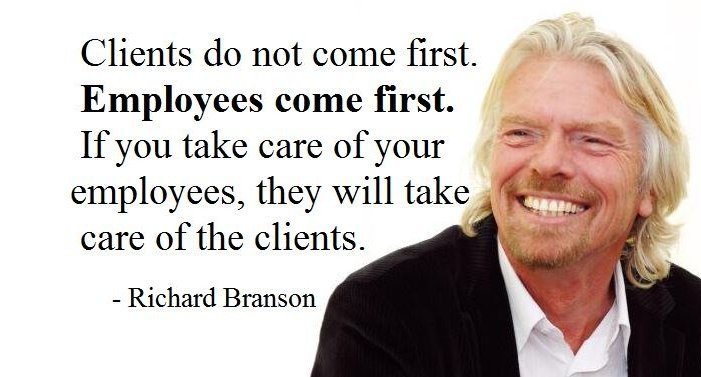
We often focus on delivering exceptional customer service, striving to exceed expectations and build loyalty. But here’s a truth that often goes overlooked: we can’t provide outstanding service to our external customers if we’re not taking care of each other internally first. Richard Branson, founder of the Virgin Group, encapsulated this idea perfectly when he said: “Clients do not come first. Employees come first. If you take care of your employees, they will take care of the clients.” This principle reminds us that the foundation of great customer service starts within our own teams. As a customer service keynote speaker, I’ve seen firsthand how the most successful organizations are built on a culture of internal support and collaboration. Revisiting the Concept of “Customer” When you hear the word “customer,” you likely think of the people who purchase your products or services—the external customers who drive your business. While this focus is critical, there’s another group equally deserving of attention: your internal customers. These are your colleagues, teammates, and cross-departmental partners who collaborate with you every day. By extending the same level of care and commitment to our internal customers as we do to our external ones, we create a unified, engaged team capable of delivering on the company’s brand promise. Every internal interaction, whether a quick email or a major project, contributes to the overall success of the organization. As a motivational leadership keynote speaker, I often emphasize the importance of strong internal dynamics as the bedrock of organizational success. Leadership is not just about vision; it’s about fostering a workplace where every individual feels valued and empowered to excel. Why Treat Colleagues as Customers? It’s natural to wonder why we should approach our coworkers with the same mindset we reserve for customers. The answer is simple: a strong internal culture creates a ripple effect that impacts external outcomes. When employees feel valued and supported, they bring more energy, dedication, and loyalty to their work. This, in turn, translates to better service for external customers. Think of it this way: if you’re willing to go the extra mile for a customer, why wouldn’t you do the same for the people who make your work possible? A culture of internal support strengthens relationships, fosters trust, and ultimately enhances performance across the board. This is a key message in my customer service keynote presentations—success starts from within. Building Internal Customer Service Skills: Key Actions Creating a culture of internal service doesn’t require complex strategies—small, intentional actions can make a big difference. Here are five ways to prioritize internal customer service: Prioritize Clear and Respectful Communication Every interaction is an opportunity to build trust and strengthen relationships. Active listening, clarifying questions, and clear communication help eliminate misunderstandings and create a collaborative environment. When people feel heard and respected, teamwork flourishes. Action Step: Before responding to a colleague, take a moment to ensure your message is clear and respectful. Ask yourself, “Am I contributing to clarity and trust with this interaction?” Offer Proactive Support Don’t wait for a colleague to ask for help—look for opportunities to step in. Whether it’s assisting with a challenging workload or offering insights on a tough problem, proactive support strengthens the entire team. Example: If you notice someone juggling multiple priorities, offer to help or share advice. These small gestures reinforce a culture of collaboration and embody the principles I emphasize as a leadership keynote speaker. Express Gratitude and Recognition A simple thank-you can have a powerful impact. When someone goes above and beyond, acknowledging their effort fosters a sense of appreciation and motivation. Recognition doesn’t need to be elaborate—consistent, genuine gratitude is what matters. Try This: At the end of each week, take five minutes to thank a colleague for their contributions. A quick email, a note, or a verbal acknowledgment can create a lasting positive effect. Focus on Collaborative Problem-Solving When challenges arise, approach them as opportunities for teamwork. Avoid assigning blame or letting frustration take over—instead, involve the necessary team members, share insights, and work together to find solutions. Idea: Start discussions with “How can we solve this together?” This inclusive mindset not only resolves issues effectively but also strengthens team bonds. Be Mindful of Your Impact on Team Morale Every word and action influences team morale. Feedback, tone, and attitude all contribute to a positive or negative work environment. Being intentional about fostering respect and support ensures a constructive and engaging atmosphere. Self-Check: Before giving feedback, ask yourself, “Is this constructive? Am I approaching this conversation with respect and support?” Why Internal Service Matters Focusing on internal customer service isn’t just about harmony—it’s about results. Studies show that employee disengagement, often fueled by a lack of recognition or support, costs businesses billions annually. Conversely, organizations with high levels of engagement and internal respect consistently outperform their competitors. When team members feel valued and appreciated, they’re naturally motivated to go above and beyond for customers. A culture of internal care doesn’t just boost morale; it enhances productivity, creativity, and customer satisfaction. As a motivational customer service speaker, I share actionable strategies that help organizations bridge the gap between internal collaboration and external excellence. Practical Tips for Treating Colleagues Like Customers To embed internal customer service into your daily routine, try these actionable strategies: Make Every Interaction Meaningful. Approach each conversation, whether in person or via email, as an opportunity to strengthen relationships. Show patience, listen actively, and respond thoughtfully. Follow Through on Promises. Reliability builds trust. If you commit to helping a colleague, ensure you follow through promptly and thoroughly. Bring Empathy to Every Encounter. Everyone faces unique challenges. Demonstrate patience and understanding, offering support when needed. Take Ownership of Your Interactions. Every interaction is an opportunity to build trust—or strain it. Be mindful of your tone, clarity, and respectfulness. Seek to Understand, Not Just to Respond. Deep listening often resolves issues more effectively than offering quick solutions. Let colleagues know you value their perspective. The Ripple Effect of Internal Service Imagine a workplace where every employee feels as valued and supported as

Customer Service and Customer Experience: The True Brand Differentiator
Leadership isn’t just about a title or authority, it’s about influence, impact, and purpose. The best Leadership Speakers understand that the world doesn’t need more bosses — it needs more visionaries who can guide, inspire, and build cultures where people thrive. In today’s fast-moving corporate environment, the organizations that win are led by those who understand people as deeply as they understand profit. The Foundation of Effective Leadership: Purpose Before Process Too many managers start with metrics and tactics instead of meaning. Real leaders begin with why. Purpose drives direction. It connects people to something larger than the paycheck. It’s the difference between managing performance and inspiring passion. Action step: Revisit your company’s purpose statement. Does it still align with your mission, values, and goals? If not, refine it and share it. People rally around clarity. If you want to see this principle in action, check out my article on Creating a Customer-Centric Culture. Leadership Speakers Know: Trust and Accountability Must Coexist The most respected Leadership Keynote Speakers will tell you that leadership falls apart without trust — but it also fails without accountability. Trust allows people to take risks and innovate.Accountability ensures that trust leads to results. Leaders must balance both. Admit mistakes. Recognize wins. Set expectations. Then model what it looks like to follow through. As Speakers on Leadership, we teach that trust and accountability aren’t opposites — they’re two halves of excellence. Leading Through Uncertainty: The Modern Leader’s Edge If you’re waiting for perfect information before acting, you’ll never lead. Great leaders move forward despite ambiguity. The best Keynote Speakers on Leadership help companies thrive by embracing uncertainty, not fearing it. They make decisions, adapt quickly, and empower others to do the same. You don’t need every answer to move. You need direction, courage, and the willingness to learn while in motion. Building Leaders, Not Followers Real leadership is about replication — not control. When your people can make great decisions without you, you’ve succeeded. To develop leaders around you: Delegate real responsibility, not busywork. Coach instead of command. Encourage ownership, not dependence. True Leadership Development begins when you stop trying to be the smartest person in the room and start being the most empowering. Communication Defines Culture Every interaction you have sets the tone for how your people will communicate with one another. Leadership communication isn’t just about clarity — it’s about consistency. Use language that’s human, not corporate. Listen before responding. Reinforce your organization’s values in every conversation. As one of the Leadership Speakers who’s worked with teams across industries, I’ve seen that how leaders speak determines whether people feel valued or dismissed. Leadership Is Energy: Protect It You can’t pour from an empty cup. Leaders who burn out set the tone for exhaustion across their teams. Set boundaries for yourself and your time. Recognize when you’re depleted. Recharge before leading again. Great leaders understand that their energy, optimism, and resilience are contagious — and that maintaining them is part of the job. For more on sustainable performance, read this excellent piece from Harvard Business Review. Humility Is the New Competitive Advantage In a world that rewards loudness, humility might just be the strongest form of confidence. Stay curious, keep learning, and surround yourself with people who challenge your thinking. Leadership isn’t about being right — it’s about being effective. Final Word: Leadership Is a Practice, Not a Position Leadership evolves as you do. It’s a continuous process of reflection, learning, and growth. Whether you’re managing a small team or leading a global organization, the same truth applies — you’re not leading people to a finish line, you’re leading them through an ongoing journey. If you’re looking for a transformative experience for your team, learn more about my Leadership Keynote Speaking programs and Corporate Training Services. Lead with purpose. Communicate with clarity. Build cultures that outlast you. That’s leadership that moves the needle.