
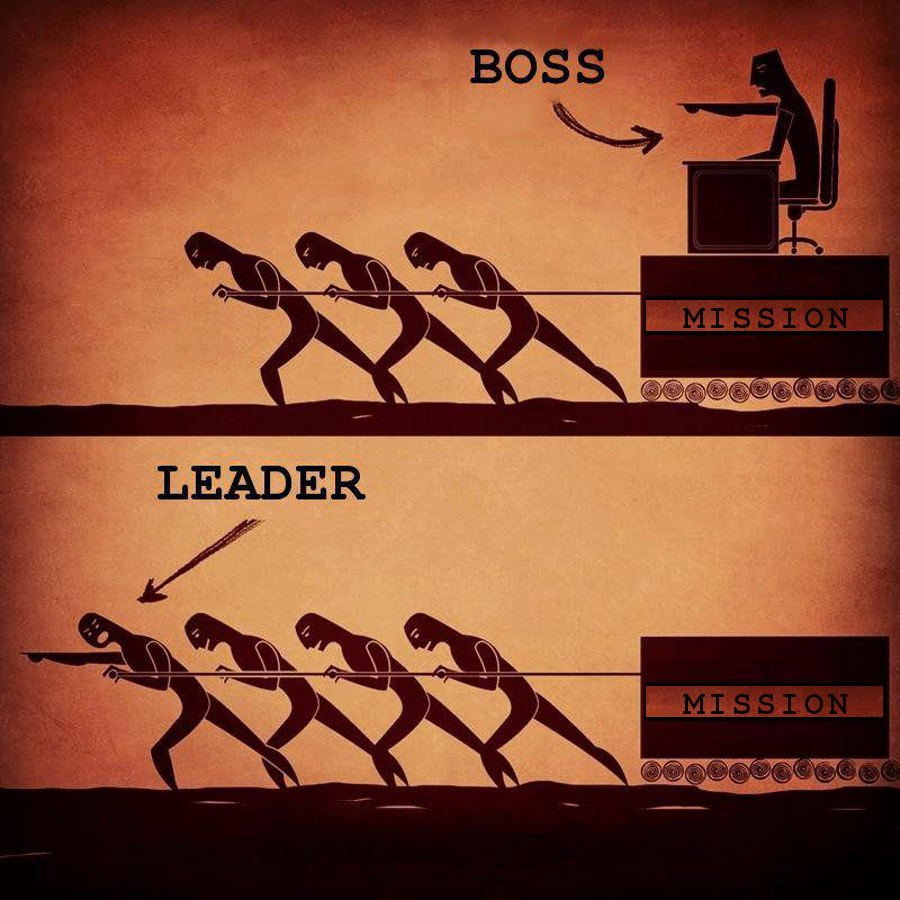
People Don’t Just Leave Jobs, They Bid Farewell to Bosses: A Leadership Speaker Weighs In You’ve probably heard this often-cited adage, “People don’t leave jobs; they leave managers.” This isn’t just a catchy phrase; it’s a reality backed by hard stats. According to a 2015 Gallup Poll surveying over 7,000 U.S. adults, 50% had left a job at some point to escape a problematic manager. As a leadership speaker, I can tell you that this data accentuates the importance of the relationship between an employee and their immediate supervisor in deciding whether they stick around or take off. Boss vs Leader: The Distinction That Leadership Speakers Often Make Let’s clarify a vital point—there’s a gaping difference between a boss and a leader. A boss is essentially a micromanager, more concerned with oversight than genuine leadership. On the other hand, a leader fuels a sense of purpose and drive within their team, promoting innovation, creativity, and the pursuit of excellence. As many leadership speakers will tell you, what your team is yearning for isn’t someone with a “boss” title but a true leader to guide them to their full potential. Leadership Isn’t Just a Title, It’s a Transformational Act Here’s the deal—while “boss” and “leader” are terms frequently swapped out for each other, their impact in a working environment couldn’t be more different. A boss zeroes in on tasks, deadlines, and quotas. A leader, however, looks at the bigger picture. They’re not merely supervisors; they’re culture architects, team enhancers, and agents of positive change. This is a point that I, as a leadership speaker, emphasize repeatedly in talks and workshops. The Bottom Line: Be the Leader Your Team is Eager to Follow Titles are just semantic labels that can often misrepresent your true ability to inspire and effect meaningful change. As the business landscape continues to evolve, it’s increasingly clear that companies need more than just supervisors. They’re on the lookout for leaders—individuals who can exercise influence, stir inspiration, and foster a culture where each person is motivated to perform better.

The Best Way to Build Your Brand? The Ultimate Customer Experience!
The Best Way to Build Your Brand? The Ultimate Customer Experience In today’s ever evolving and saturated media and social media landscape, it is imperative that we recognize the importance of strategic marketing and customer outreach to truly make an impact. In doing so, businesses must navigate through a maze of marketing and media challenges. To overcome these obstacles, a comprehensive multi-channel marketing strategy is an absolute necessity. However, as we get caught up by the allure of cutting-edge technologies and digital platforms, many businesses inadvertently overlook the timeless and unwavering power of the single, most effective marketing vehicle at our disposal – the art of exceptional customer service. If executed with authenticity and precision, customer service possesses an unparalleled ability to rise above the trends and fluctuations of the ever-changing marketing landscape. Don’t Forget That Good Ol’ Human Touch In a world inundated with a mind-numbing amount of marketing messages, a business that places genuine care and attention at the forefront of their customer interactions stands apart from all others in the massive sea of sameness. It is the human touch, the personal connection, and the unwavering commitment to going above and beyond that leave an indelible mark on the hearts and minds of our customers. While technology may enhance our reach, it is the human element that truly captivates and fosters loyalty, turns customers into evangelists and builds our brands. Customers crave authenticity, empathy, and a sense of belonging. And it is through exceptional customer service, not exceptional social media strategies, that businesses can provide these invaluable intangibles, forging long-lasting relationships built on trust and mutual understanding. Combine Technology With Empathy For Brand Distinction As you’re working hard to build your brand and create brand distinction, don’t forget the impact that customer service will have during the chaos of the digital age. By combining technological prowess with the sincere desire to take care of the customer, you will create brand distinction and customer evangelists, even within the fragmented and saturated marketing landscape.

Where Have All The Nice People Gone? Wanna Kill Your Brand? Deliver Poor Customer Service!
Entrepreneur Magazine Article Before I go on my rant about poor customer service, allow me to start this article with a story about something quite uncommon – Exceptional Customer Service! My wife and I stumbled on this haven that’s a walking trail, petting zoo, food truck park, beer garden, and live music stage all rolled into one. The property is gorgeous, but that’s a bonus. What keeps us going back is the atmosphere, the vibe. That doesn’t come from a piece of property or nice buildings. It comes from the people. Every person working there goes above and beyond to deliver exceptional customer service. Being a customer service speaker, I was so impressed that I introduced myself to the owner to commend him on his staff and the exceptional service. His reply immediately told me he gets it. He said, “Our customers have too many choices for us to take them for granted, and every employee understands that, because I tell them that at every staff meeting.” He understands that the road to exceptional service begins at the top and if done correctly, will become contagious throughout the entire organization. Awesome story. But why is the service we enjoy at this oasis an anomaly? Why has poor service become the norm? I really miss the days when a smile and a warm greeting were the norm. Nowadays, you’re lucky if you can get eye contact, let alone a “please” or “thank you.” And when you are treated well, HOLY COW! You feel like you won the lottery! Wondering if I was just getting old, cranky, and overly sensitive, I decided to dig into some research on the matter of “Poor Customer Service.” Call me nostalgic or just fed up, but before you dismiss this as a mere rant, let’s look at the numbers. American Customer Satisfaction Index: Customer satisfaction has been on a consistent downward trend since 2018. NewVoiceMedia’s Hard-hitting Fact: U.S. companies are losing a whopping $62 billion annually due to poor customer service. That’s a b as in billion! Industry Titans Weigh In PwC: 32% of all customers will abandon a brand they love after a single bad experience. Harvard Business Review: People are more disconnected from brands than ever, partly because of terrible customer interface. Zendesk: Customer service holds more weight now than it did a year ago, according to more than half of consumers surveyed. Forbes: Think it’s easier to get a new customer? Think again. It’s five times more expensive than retaining an existing one, according to Forbes research. I think the key here is that we’ve got an empathy crisis on our hands. We’re running businesses like machines, forgetting that it’s people we serve and employ. An empathetic work environment isn’t just “nice-to-have.” Studies like Businessolver’s point out that 93% of employees will stick around longer if their employers show true empathy. Now, imagine that energy channeled into customer service? Leadership: The Catalyst of Change Don’t lay the blame on the hard-working people at the frontline; they’re following the culture set by those at the top. The owner of our favorite little place gets this, but not enough leaders do. Leadership needs to step up. They need to create cultures that are passionate and purposeful. Let’s train our teams to treat customers as individuals, not just entries in a CRM database. If you’re leading a business, think beyond the quarterly reports. A team trained in the art of real customer interaction isn’t an expense; it’s an investment that yields compounded returns. Customer Service Is Your Competitive Advantage Think about it, if service is as bad as the numbers say it is, you have an opportunity to be as unique as our beer garden friend! Let’s look at ways you can dramatically improve your level of service and the customer experience. Empathy Workshops: Cultivate a Heart-Centered Workforce Too many companies focus solely on technical training and overlook the importance of emotional intelligence. However, a technically perfect transaction that lacks warmth is a missed opportunity. Empathy workshops can be transformative experiences for your team. They help staff understand customers’ emotional needs and teach them how to connect on a human level. The result? A memorable customer experience that converts one-time transactions into loyal evangelists for life. Actionable Steps: Partner with professional trainers specializing in emotional intelligence. Incorporate real-world scenarios that employees can relate to. Measure the training’s effectiveness through customer satisfaction surveys and feedback. Customer Journey Mapping: Walk in Your Customer’s Shoes If you don’t understand what your customers are going through, you can’t offer solutions that genuinely resonate with them. Customer Journey Mapping allows you to trace the steps that customers take from the moment they become aware of your brand to the point of purchase and beyond. This isn’t just about identifying pain points; it’s about understanding the emotional highs and lows that customers experience throughout their journey. Actionable Steps: Involve multiple departments, from marketing to customer service, in the mapping process. Use customer feedback, interviews, and surveys to build a comprehensive map. Once the map is in place, routinely revisit and adjust it as your products, services, or customer base evolve. Regular Check-ins: Keep the Communication Channels Open Top-down culture is a thing of the past. Leadership that keeps an open line of communication with frontline staff cultivates a culture of continuous improvement. Encourage employees to share customer feedback, new ideas, and even critiques without fear of backlash. When the higher-ups are approachable, the whole organization becomes agile, adaptive, and receptive to change. Actionable Steps: Schedule bi-weekly or monthly check-ins with various departments. Create an anonymous suggestion box or digital platform where staff can voice concerns or ideas. Acknowledge and celebrate staff contributions to encourage more input and foster a positive work environment. These actionable tactics are a good starting point for any company serious about revolutionizing their customer service. It’s time for a seismic shift
Why Do People Resist Change, and How Can You Help?
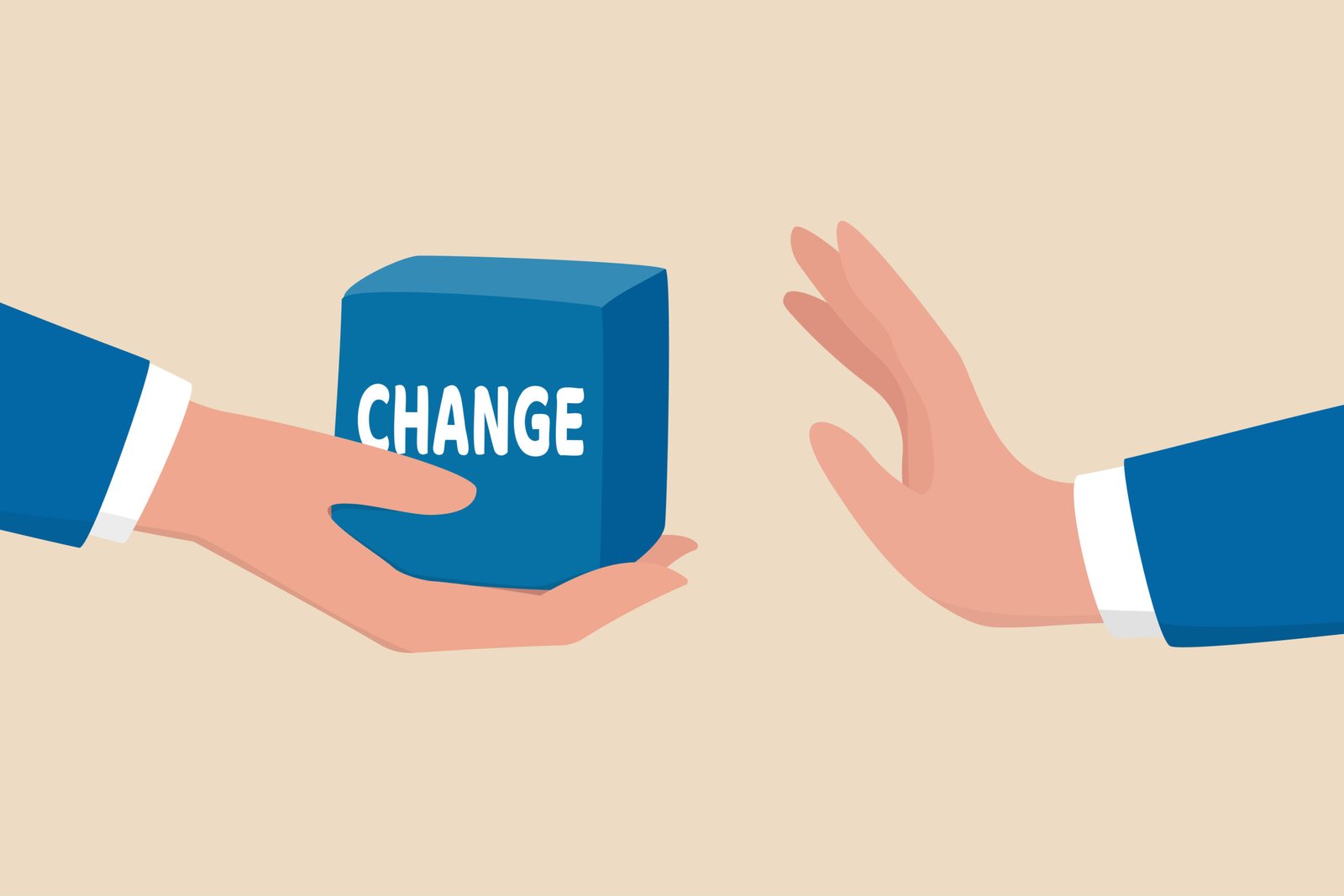
I don’t know about you, but I like my morning routine. However, I try to not let the comfort and ease of my morning routine spill into the rest of my day. Routine is comfortable. It’s calming. It makes us feel like we’re in control of our lives. It makes us feel safe. But sometimes being safe can be a detriment. If you’re in leadership and your organization is going through change, which it almost certainly is at some level, there’s a very good chance there are people within your organization resisting this change. But why? As I just mentioned, routine is easy. Change is scary. As a leader, you can play a big role in helping to transition your team to your company’s new technology, new policies and procedures, new strategic plan and new vision. But how? One way is to demonstrate how staying stagnant means avoiding possible growth – how sticking with the status quo only takes you so far. Believe me, as a leader, it may be easier to avoid efforts tohelp your team embrace new ideas and behaviors, but a better option is leading change. Change management is a way to make change and transitions to new approaches and new ideas seamless, painless and positive. Scott explores this more in his leadership keynote programs, where he helps teams navigate change from the inside out. Are you a change manager? If you’re in a leadership role, you need to be. I conduct leadership and change management training workshops and keynote presentations. If you’re looking for real change, give us a call!

Disruptive vs. Destructive Innovation – From Entrepreneur Magazine
Are You a Disruptor or a Destructor? A Complete Guide to Innovation for Today’s Leaders entrepreneur article Two sides to the innovation coin will make or break your business. Understand disruptive and destructive innovation before attempting to shake up the market. BY SCOTT DEMING • SEP 13, 2023 Share Opinions expressed by Entrepreneur contributors are their own. In today’s rapidly evolving business landscape, the word “innovation” gets thrown around quite a bit. However, it’s crucial for leaders, especially those in C-suite roles, to grasp the nuanced differences between Disruptive Innovation and Destructive Innovation. Despite the similarity in names, they are not interchangeable. Several years ago, I was one of five keynote speakers at the Asian Disruptive Leadership Summit in Kuala Lumpur, Malaysia. The day before the event, they held a press conference with the speakers at a table and the media asking questions from the room. A young man directed a question to me. He asked, “Mr. Deming, can you tell us the difference between disruptive and destructive innovation?” In a few words, and more conversationally, I described it as follows. Related: Disruption vs. Innovation: Defining Success What is disruptive innovation? Disruptive Innovation is a term coined by Clayton Christensen in 1997. It refers to a process where a smaller company, often with fewer resources, manages to challenge established industry leaders. The disruptors do this by targeting overlooked market segments or creating new markets altogether. Over time, these disruptors refine their products or services and start attracting a broader audience, eventually undermining the existing market leaders. Related: Disruption Is More Than the Buzzword It’s Become Some examples: Amazon: Started as an online bookstore, now it’s reshaping retail, logistics, cloud computing — you name it. Google: Moved from search engine to digital advertising titan, and now it’s into everything from autonomous cars to healthcare. Tesla: Electric cars used to be a joke. Now, Tesla’s forced the entire auto industry to go electric or go home. Uber: Decimated the traditional taxi industry by making ridesharing accessible, affordable, and convenient. Spotify: Revolutionized music consumption, shifting the focus from album sales to streaming subscriptions. Key characteristics of disruptive innovators: Targets niche markets initially. Creates accessibility, usually through lower costs or simplicity. Gradually gains market share. Alters the competitive landscape. Builds new opportunities. Adds value to the market. Promotes sustainable growth. Why these matter These innovators didn’t just create products; they created markets and shifted paradigms. They started with niche audiences and scaled up, eventually disrupting and often dominating their industries. So, the lesson here? Be the Amazon or Tesla in your space. Think about the niches that are overlooked and how you can bring them to the forefront. It’s not just about technology; it’s about vision and having the courage to redefine an industry. Related: How to Reject the Status Quo and Redefine Your Success What is destructive innovation? On the flip side, Destructive Innovation refers to technologies or practices that harm or make existing models obsolete without adding significant value to the industry or consumers. In some cases, they may offer short-term gains, but the long-term ramifications could be detrimental. Destructive innovators often leave a trail of unintended consequences. Some examples: Pets.com: Sold pet supplies online, but its unsustainable business model led to its collapse and had repercussions across e-commerce. Lehman Brothers: Engaged in risky financial practices that contributed to the 2008 financial crisis. MySpace: Tried to monetize too aggressively with ads, which deteriorated user experience and opened the door for Facebook. Kodak: Introduced the digital camera but failed to adapt, essentially disrupting its own film business without a sustainable digital strategy. Related: Don’t Make the Same Mistake Leaders at Kodak, Blockbuster and Xerox Made When Disruption Comes to Your Industry Key characteristics of destructive innovators: Undermines existing value networks. This could lead to job losses or reduced industry growth. Risks long-term damage. May result in ethical or social issues. Could pigeonhole you as a short-term opportunist. Offers little or no long-term value addition. Why these matter These companies either disrupted without adding lasting value or operated in ways that had negative long-term impacts. The key takeaway here is that innovation without sustainability or ethical considerations can often lead to destructive outcomes. Understanding these examples can be a cautionary guide. It reminds us that innovation shouldn’t just be groundbreaking; it must be responsible and sustainable to be truly transformative. Why the difference matters So, why should you care about the difference? Well, the path you choose has profound implications for your business model, market positioning, and long-term sustainability. Whether you’re a seasoned executive, a budding entrepreneur or a forward-thinking sales director, understanding these terms can help you steer your company in the direction that leads to long-term success rather than a short-lived buzz. Your choice could be the difference between leaving a legacy of growth and innovation or just becoming a cautionary tale in someone else’s keynote. So, the question isn’t if you should disrupt, but how will you disrupt responsibly and effectively? Free Guide | Ho

Creating Brand Distinction – The Real Formula!
Entrepreneur Magazine Article In this hyper-connected world, we’re struggling to capture the attention of those we hope will buy from us, and eventually become loyal customers. The deluge of social media platforms and AI tools has created an overwhelming tidal wave, leaving us drowning in a sea of tweets, likes, and algorithms. As we’re all trying to figure out HOW to gain traction with the endless number of technology tools at our disposal, it becomes increasingly more difficult to navigate and find the right formula. With that said, and pardon the metaphor, my question to you is this – What’s the lighthouse that can guide your brand through this chaotic digital fog? You might think it’s the latest tech gimmick or a viral campaign, but you’d be missing the mark. The true beacon of distinction in this noisy world is something far more enduring—brand distinction achieved through emotional branding and exceptional customer service. What is Brand Distinction?Brand distinction is not just a fancy logo, a catchy jingle, or a viral hashtag. Brand distinction is the unique identity that sets you apart in a crowded marketplace. It’s that intangible quality that makes customers say, “I want what they’re offering, and nobody else will do. I not only want to belong to this brand, I want others to know I belong to this brand.” Think of it as your brand’s fingerprint—no one else has it. And the fact is, brand distinction can’t be bought; it’s earned. It’s the sum total of every interaction, every smile, every problem solved, and every promise kept. It’s what turns heads, wins hearts, and most importantly, it’s what keeps people coming back for more. The Emotional Quotient: The Heart of Your BrandIn every keynote and training session I deliver, I hammer home a single, crucial point: None of the strategies or tactics you’ve learned will matter unless you forge an emotional connection, both in your messaging and in your interactions with customers. This is the essence of Emotional Branding. Drawing from two decades at the helm of a national advertising agency, I’ve seen firsthand that mere awareness isn’t enough to build a lasting brand. We crafted campaigns that emotionally resonated with target audiences, but too many clients stopped there. They poured money into ads that drove customers straight into a lackluster service experience. They mistook advertising as the be-all and end-all, overlooking the cornerstone of true brand distinction—the customer experience. Here’s the real deal: if your advertising hits the emotional sweet spot and is backed by a customer experience that’s equally impactful, you will connect on such a personal and emotional level that you’ll elicit a visceral reaction every time someone hears or sees your brand. Make no mistake, this emotional connection isn’t just one facet of your brand—it is your brand. The Nike Phenomenon: A Case Study in Emotional Branding and Product Excellence Let’s pivot to Nike—a brand that’s more than just a global athletic powerhouse. When you lace up those Nike shoes, you’re not simply prepping for a workout; you’re embracing a lifestyle, joining a community that believes in the transformative power of sports. Nike’s mantra, “Just Do It,” isn’t just a tagline—it’s a rallying cry that speaks to our deepest aspirations and desires. Nike has mastered the art of emotional branding, and here’s how they do it. They don’t just sell you athletic gear; they sell you a dream, a better version of yourself. It’s this emotional resonance that turns casual buyers into loyal fans. But let’s be clear: emotional impact isn’t enough. What really sets Nike apart is their commitment to product excellence. All the aspirational messaging in the world wouldn’t matter if their products didn’t deliver. Nike’s real genius lies in their ability to perfectly align their emotionally charged branding with products that not only meet but exceed expectations. It’s this remarkable blend of emotional connection and product excellence that catapults Nike into brand distinction. They’ve not just entered the brand stratosphere; they’ve set up a permanent residence there. Do You Think Emotional Branding Only Happens with Brick and Mortar? Think Zappos If you think extraordinary customer service is confined to brick-and-mortar shops, think again. Meet Zappos—an online retailer that’s rewritten the rulebook on how to win hearts in the digital space. Sure, they sell shoes and clothes, but what they’re really in the business of is making people happy. Ever heard of their 365-day return policy? Or what about their legendary customer service calls that can last for hours, not because there’s a problem to fix, but because their reps are empowered to genuinely connect with customers? It’s not uncommon for Zappos to send flowers to a customer who mentioned they were having a bad day or even assist in searching for a product they don’t carry. They’re not just meeting expectations; they’re shattering them. Zappos’ website states the following: Twenty years ago, we began as a small online retailer that only sold shoes. Today, we still sell shoes — as well as clothing, handbags, accessories, and more. That “more” is providing the very best customer service, customer experience, and company culture. Zappos About Page This over-the-top commitment to customer happiness has turned Zappos into more than a retail brand. It’s become a symbol of what’s possible when a company makes customer service its prime directive. The result? A brand distinction that competitors can admire but find incredibly hard to replicate.Top of Form Why Most Businesses Miss the Mark We all get dazzled by the latest tech trends. Who wouldn’t? But while we’re busy chasing the newest shiny object, we’re missing out on the golden ticket that’s right under our noses – Brand Distinction Through Uncommon and Emotional Customer Experiences! This isn’t just a department in your company; it’s the soul of your brand. Remember, people don’t just buy products or services; they buy experiences and emotions. Whether it’s the comfort of belonging, the excitement from the unexpected service, or the peace of mind from a problem solved, what you’re really selling is a

If You Want to Be an Industry Leader, Be an Industry Innovator. Here’s How!
If You Want to Be an Industry Leader, Be an Industry Innovator. Here’s How to Inspire Innovation in Your Business.Innovation isn’t just about making something new; it’s about improving something. Entrepreneur Magazine Original Article BY SCOTT DEMING • SEP 22, 2023 Key Takeaways Adaptation is the name of the game. This is your chance to pivot and take your business from overlooked to overbooked. Opinions expressed by Entrepreneur contributors are their own. We often elevate inventors like Edison, Ford and Musk to almost mythical status, attributing seemingly impossible mental powers to them. We imagine some lone genius churning away in a cluttered garage, conjuring up the next big thing. In reality, most groundbreaking changes don’t come from inventing something out of thin air; they emerge from optimizing, scaling and rethinking what’s already out there. Case in point: Steve Jobs didn’t invent the mobile phone or the computer, but he innovated and revolutionized how we interact with these devices. When asked about his approach to innovation, Jobs had a simple answer: “Start with the customer experience and work backward from there.” He wasn’t trying to push fancy new technology down the market’s throat; he focused on what was missing in the user experience and worked backward from there. Related: 11 Innovation Strategies That Can Effectively Increase Your Businesses’ Growth Emulating nature’s adaptability in business In nature, adaptation is the name of the game. Look at the finches in the Galápagos Islands: Over time, they adapted their beaks to suit their food sources better. The beaks didn’t change overnight; they evolved incrementally to serve the finches’ needs better. Similarly, in the business world, the best innovations often come from small, targeted adjustments, not massive overhauls. Southwest Airlines didn’t invent flying, nor did they invent the low-cost airline model. They did innovate the airline industry by focusing on simplicity and efficiency, making air travel accessible to the masses. They disrupted the industry not by creating something new but by doing something existing — far better. The concept of lodging isn’t new, but Airbnb revolutionized it by allowing everyday homeowners to turn residences into short-term rentals. They filled a gap by providing more lodging options in locations that traditional hotels didn’t serve. Related: Are You a Disruptor or a Destructor? A Complete Guide to Innovation for Today’s Leaders So, how do you innovate? What’s your formula? Look to the North Star: Your customer Making your customer the North Star of your business strategy makes you far more likely to succeed in today’s competitive marketplace. Innovation isn’t just a one-time, instantaneous thing; it’s an ongoing process that continually aligns your business with your customers’ evolving needs and wants. Steve Jobs hit the nail on the head when he said, “Start with the customer experience and work backward from there.” Why? Because if you’re not laser-focused on what your customers truly need, you’re not just missing an opportunity — you’re risking your business. But it’s not a time to hit the panic button; it’s a wake-up call. This is your chance to pivot and take your business from overlooked to overbooked. The name of the game is customer-centric innovation. Let’s dig into the nitty-gritty strategies that can transform your customer experience from ‘meh’ to ‘marvelous.’ Related: How to Tap Into Innovation, the Most Essential Part of Your Entrepreneurial Journey Uncommon tactics for true innovation Tap Into Unconventional Feedback Channels Ethnographic Studies: Send a team to observe how your product or service is used in real-world conditions. Take note of pain points that may not be explicitly stated in other customer reviews. Customer Diaries: Ask a sample of customers to maintain a diary focused on your product or service, detailing their daily experiences and frustrations. NPS+: Beyond the regular Net Promoter Score surveys, ask those who gave you low scores to join a quick chat to elaborate on their issues. Dig Deeper Into Analysis Sentiment Analysis on User Reviews: Use AI tools to scan reviews for emotional tone. It gives you more context than just “positive” or “negative.” Predictive Analytics: Use machine learning to predict customer behavior based on their interactions with your product. This can help you innovate proactively rather than reactively. Eye-Tracking Studies: If you’re in the digital space, eye-tracking can help you understand what grabs attention on your website or app and why. Hands-On Innovation Customer Co-Creation: Invite customers to participate in ideation or co-design sessions. Offer generous incentives for their participation. Their insights could lead you to innovate in ways you hadn’t considered because you’re looking at your business from your customers’ perspective. Hackathons: This deserves an explanation. A hackathon is essentially an intense brainstorming event where developers, designers, and other stakeholders come together to solve specific problems or build something new quickly — often within 24 to 48 hours. Here, “hack” means exploratory programming, not illegal activities. It’s a fantastic environment for creativity and innovation, as people often step out of their usual roles and collaborate in ways they wouldn’t in a typical workday. Shadow Boards: Create a board of younger employees or those lower in the hierarchy but close to everyday problems. Ask for their insights into gaps, issues and overlooked opportunities. They might see things that C-level execs might overlook. Agile and Beyond Objectives and Key Results (OKRs): If you’re looking to stir the innovation pot, OKRs can serve as your roadmap and measuring stick. They ensure everyone is purposefully aligned but free in approach, which is a sweet spot for breakthrough thinking. This approach ensures everyone is working toward the same objectives, fostering a culture of accountability and alignment. Use this framework to keep teams aligned and focused on innovation-driven goals. Skunk Works Team: When it comes to fueling innovation, you’ve got to think about building a Skunk Works Team. This isn’t your run-of-the-mill project group; it’s a hand-picked, cross-functional dream team laser-focused on shaking things up. Have a dedicated, cross-functional team focused entirely on innovation, operating with different rules than the rest of the organization to expedite creativity. By implementing these unconventional strategies, you’re going beyond the obvious to make your business an innovation powerhouse. Sure, you still need to listen, identify gaps and act. But these advanced tactics put a spin on the how, making the whole

A Leader’s Guide to Navigating Generational Differences and Hybrid Challenges
As Seen In Entrepreneur Magazine Back when I ran my advertising agency, the idea of remote or hybrid working was unheard of. The entire staff was expected in the office daily, unless someone was out sick or on vacation. We dealt with generational differences, sure, but always face-to-face, within our office walls. Leaders today continue to deal with the complex challenge of effectively communicating across generations, but now it’s further complicated by the rise of hybrid work environments. It’s not just about getting different generations to work well together; they also have to manage teams split between the office and home. Being good at this isn’t just nice to have, it’s a must-have. With a mix of in-office and remote work, along with employees from Baby Boomers to Gen Z, mastering this skill has become more important than ever. Each generation – from Baby Boomers who really value stability and face-to-face chats, to the Gen Z crowd who are all about digital and quick, authentic communication – has its own style. Getting this right is key to running a smooth operation. In this article, we’ll look at ways to make sure everyone, no matter their age or where they’re working from, feels included and heard. Before we dive into the strategies, it’s important to first understand who we’re talking about. Let’s quickly break down these generational groups, to better grasp their distinct approaches and values in the workplace. Baby Boomers (Born 1946-1964): Known for valuing stability and hard work, Baby Boomers often bring a wealth of experience and a preference for direct, face-to-face communication. They are generally seen as loyal and dedicated workers, with a strong commitment to their roles and an appreciation for traditional workplace hierarchies. Generation X (Born 1965-1980): This generation is marked by its independence and adaptability, comfortable with both traditional and digital modes of communication. Often perceived as the ‘middle child’ of generations, they are pragmatic, resourceful, and possess a blend of traditional and progressive values. They excel in bridging the gap between the older and younger generations. Millennials (Born 1981-1996): Millennials are tech-savvy and driven by purpose, seeking work that aligns with their personal values. They prefer flexibility and digital interactions but also value in-person collaboration and feedback. Known for their eagerness to learn and grow, they often seek opportunities for professional development and are motivated by a sense of progress and innovation. Generation Z (Born 1997-2012): As true digital natives, this generation values authenticity, rapid communication, and opportunities for personal growth. They are adept at using technology to connect and learn and are known for their entrepreneurial spirit. Gen Zers often seek workplaces that offer creativity, diversity, and a strong sense of community and social responsibility. By understanding these distinct characteristics, leaders can better tailor their approaches to effectively communicate and engage with each generation in the workforce and keep everyone connected. But when you mix all these folks in today’s hybrid work model, things can get tricky. Different generations have different ways they like to communicate, collaborate and work. On top of that, now you’ve got some people in the office and some working from their kitchen tables. Companies are figuring out that while younger employees are naturally comfortable with the digital tools, the older ones might need more help. The trick is to plan well and truly understand where everyone’s coming from. This means using the right kind of tech and work policies that suit everyone, whether they’re in the office or logging in from home. Regular virtual check-ins have become a key element in this new work environment. These check-ins help ensure that all team members, regardless of their location, feel included and heard. Companies are also creating opportunities for informal virtual meetups, which serve to replicate those spontaneous, bonding moments that naturally occur in an office setting, thus fostering cross-generational collaboration. Training plays a vital role as well. It’s not just about training employees on the technical aspects of remote work; there’s also a focus on best practices for digital communication and managing remote teams. Equally important is equipping leaders and managers with stronger emotional intelligence. This training is vital for them to effectively relate to and communicate with team members across generational lines. By fostering understanding and empathy, this comprehensive approach becomes a cornerstone in bridging the generational divide in the workplace. In the end, getting this balance right does wonders – it can turn a workplace into a more connected and happier place. But turning these good vibes into something lasting means focusing on the big picture – getting the basic principles right. We’re going to talk about what leaders need to think about when managing a mix of young and old, office and remote. It’s all about being flexible, encouraging learning, understanding where everyone’s coming from, listening to feedback, and making sure everyone gets a say. This next section, ‘Key Considerations for Leaders,’ explores the fundamental principles that form the basis of successful leadership in a multigenerational, hybrid environment. From embracing flexibility to fostering a culture of learning and empathy, these considerations are the foundation for building a resilient, inclusive, and forward-thinking workplace. Key Considerations for Leaders (Focus on mindset and approach): Flexibility Is Key: This is about adopting a flexible mindset towards work arrangements and communication styles. Fostering a Culture of Learning: Emphasizes the importance of creating an environment where learning is mutual and continuous. Empathy and Understanding: Highlights the need for leaders to empathize and understand the unique needs and motivations of different generations. Regular Feedback and Adaptation: Stresses the importance of being receptive to feedback for continuous improvement. Inclusivity in Decision Making: Encourages involving diverse age groups in decision-making to gain varied perspectives. After laying the groundwork with key considerations that shape a leader’s mindset towards a multigenerational team, let’s shift gears to focus on specific, actionable strategies. These strategies are practical steps that build upon our understanding to create effective communication and collaboration across different age groups. Strategies for Effective Multigenerational Communication (Focus on actionable steps): Understand and Respect Differences: This involves practical steps to

If You Want People to Follow You, Stop Being a Boss.
Eight Steps to Truly Effective Leadership As Seen in Entrepreneur Magazine Throughout my career, I’ve seen the stark differences between mere bosses and true LEADERS. These experiences have shaped my leadership approach and fueled my drive to help others become outstanding leaders. In today’s ever-changing business world, understanding this distinction is critical. It’s more than semantics; it’s about inspiring belief in your vision and mission. Drawing from over forty years of experience as a business owner, and through my extensive leadership presentations and writings, I’ve delved into what separates leaders from bosses and am pleased to present the formula for truly effective leadership. Boss vs. Leader: Understanding the Difference The terms ‘boss’ and ‘leader’ are often used interchangeably, but they represent vastly different approaches to organizational management. A boss typically focuses on processes, compliance, and maintenance of the status quo. In contrast, a leader inspires change, fosters a culture of innovation, and encourages team growth. This contrast is not just in actions but also in mindset; while a boss thinks in terms of tasks and authority, a leader focuses on people, potential, and possibilities. The Leadership Gap: A Gallup Insight A pivotal 2015 Gallup Poll uncovered a striking truth in the workplace: half of the surveyed employees had left jobs at some point in their careers to escape poor management. This finding was a wake-up call, illuminating a critical gap in leadership where inspiration and empowerment should be the norm. The reasons employees leave bosses are multifaceted but often boil down to a few key factors. Firstly, a lack of recognition and appreciation is a common complaint against bosses. Employees feel undervalued when their hard work and achievements go unnoticed. Poor communication by bosses creates a disconnect, leading to confusion and frustration. In contrast, effective leaders excel in acknowledging achievements and communicating clearly and supportively. Micromanagement, a hallmark of boss-like behavior, stifles creativity and demonstrates a lack of trust, while effective leaders empower their employees, fostering a sense of autonomy and confidence. Similarly, the absence of guidance or support from bosses can leave employees feeling abandoned, whereas leaders actively engage in their team’s development and provide consistent support. A boss’s negative attitude or lack of empathy can create a toxic work environment. This contrasts sharply with effective leaders, who display empathy and constructiveness, boosting morale and job satisfaction. Furthermore, bosses often fail to provide growth opportunities, leading employees to seek roles with better prospects. Effective leaders, on the other hand, prioritize and nurture their team’s growth and development. Leaders who recognize and address these issues can bridge the gap, creating a work environment where employees feel valued, supported, and inspired. Case Studies in Leadership Consider the dynamic leadership of Rosalind Brewer at Walgreens Boots Alliance. Taking the helm as CEO in 2021, Brewer was pivotal in navigating the company through the unprecedented challenges of the COVID-19 pandemic. Her focus on digital innovation, customer-centric services, and expanding healthcare services illustrates a leadership style that is responsive, forward-thinking, and transformative. Brewer’s approach underscores the importance of agility and empathy in leadership, especially in times of crisis. Under Brewer’s leadership, Walgreens not only expanded its digital footprint but also played a critical role in vaccine distribution, demonstrating how effective leadership can have a profound impact on public health and safety. This case study exemplifies how a leader’s vision and decisiveness can drive an organization to new heights, even in the face of global challenges. Similarly, Satya Nadella’s leadership transformation at Microsoft has been widely recognized. Shifting the company’s focus from purely product-centric to people-centric, Nadella has fostered a culture of learning, innovation, and empathy, which has been instrumental in driving Microsoft’s resurgence and success in the tech industry. Having outlined the differences between a boss and a leader, it’s time to delve into the eight steps of Truly Effective Leadership. These foundational principles are designed to inspire, empower, and invigorate your team, fueling a passionate pursuit of shared goals. ONE: Communication: – Effective leaders recognize the power of communication—it is the tool that bridges gaps, aligns objectives, and fosters a culture of mutual respect and understanding. Communication in leadership is not about issuing orders; it’s about opening channels for feedback, encouraging dialogue, and ensuring that every team member feels heard and valued. This two-way communication builds trust, an essential component in any successful team, and creates an environment where ideas can flourish, and problems are solved collaboratively. TWO: The Art of Positive Reinforcement – The approach to mistakes and failures differentiates a leader from a boss. Where a boss might see a mistake as a failure to be criticized, a leader views it as an opportunity for growth. Positive reinforcement involves recognizing the effort, providing constructive feedback, and encouraging a mindset of continuous learning. This approach not only helps in skill development but also instills a sense of confidence and loyalty within the team, fostering a workplace culture where innovation is encouraged, and risks are viewed as steps towards growth. THREE: Empowering, Not Micromanaging – Empowerment is a key trait of effective leadership. It involves trusting the team’s capabilities and allowing autonomy in their roles. This empowerment fosters a sense of ownership and responsibility among team members, leading to greater job satisfaction and innovation. In contrast, micromanagement can stifle creativity, lower morale, and hinder productivity. Leaders who empower rather than micromanage find their teams are more motivated, creative, and ultimately more effective in achieving organizational goals. FOUR: Accountability: The Leader’s Creed – Accountability is the hallmark of true leadership. Leaders who take responsibility for their actions, regardless of the outcome, earn the respect and trust of their team. This accountability extends to both successes and failures. By owning their decisions and learning from mistakes, leaders demonstrate integrity and a commitment to continuous improvement, setting a powerful example for their teams. FIVE: Creating Value through Leadership – In the realm of effective leadership, the focus extends beyond mere metrics and performance indicators to the realm of value creation. This shift involves nurturing the potential of team members, fostering an environment of growth and inspiration, and aligning organizational goals with the personal

How to Transform Your Workplace Culture with Cross-Pollination
The Power of Cross-Pollination in Business: Practical Lessons for Unlocking Harmony and Efficiency In Your Organization In today’s business landscape, the concept of ‘cross-training’ is more than a fancy buzzword; it’s a critical strategy for improving understanding, teamwork, efficiency, and a practical approach to setting realistic expectations among team members. It’s also a key factor in delivering consistent customer experiences and clear communication. Back when I was running my advertising agency, I put this concept into action, and I like to call it ‘cross-pollination.’ Imagine a media planner stepping into the shoes of a client services representative, or an account coordinator spending the day in the life of a graphic designer. That’s exactly what went on at my agency. This strategy wasn’t just about dismantling silos. It was about creating an environment where different departments could collaborate effectively and share their knowledge and skills. When you have designers understanding the media team’s challenges and vice versa, you’re not just improving individual skill sets; you’re building a shared understanding across the whole company. Why is this important? In any organization, each department is a piece of a larger puzzle. When everyone understands what the other pieces are doing, things run a lot smoother. It’s about getting everyone on the same page, which leads to better teamwork, more realistic expectations, and a more harmonious work environment. Cross-pollination is simple but powerful. It’s about building a culture of empathy and innovation, where everyone feels they’re part of something bigger. It transforms a fragmented workplace into a well-oiled machine, where every part works in harmony with the others. Implementing cross-pollination in a business demands a well-thought-out approach. It all starts with recognizing the unique strengths and the learning opportunities that exist within each department. At my agency, we had a distinct scenario: we had media planners who were great with analytics and numbers, while our designers’ strengths lay in crafting visually stunning and effective graphics. Each team was a master in its own right, yet there was a noticeable disconnect, particularly with our client services team. Unlike the media planners and designers, the client services personnel were in direct contact with clients. This crucial difference in roles highlighted a gap in understanding. Our client-facing staff, while adept at handling client relations, sometimes lacked a deep grasp of the time and effort that went into media strategy and design. This occasionally led to misaligned and unrealistic client expectations about timelines and deliverables, stemming from this lack of understanding. To address this, we encouraged a program where account representatives were integrated into the media planning and design processes. They didn’t just observe; they were involved in the planning sessions, understanding the rationale behind each decision, and witnessing the painstaking, time-consuming process first-hand. This experience was crucial. It gave them a real grasp of the time and effort required to create a media plan or creative proposal, helping them set more realistic expectations with clients. This cross-pollination didn’t just benefit the account reps. Media planners and designers started to understand the challenges of client management and the importance of clear, realistic communication. This mutual understanding between departments led to a more cohesive workflow, better client relationships, and an overall more harmonious and efficient work environment. As a result, these account reps started setting more realistic timelines with clients. They were able to articulate why certain processes took as long as they did and managed client expectations much more effectively. This didn’t just improve client relationships; it also fostered a greater sense of empathy and respect across our teams. Our designers and media planners, in turn, gained a clearer picture of the challenges faced by the account team in client management and expectations setting. By enabling these teams to spend time in each other’s roles, they didn’t just broaden their own skill sets – they developed a comprehensive understanding and appreciation for each other’s roles and contributions. This holistic perspective was vital in ensuring that everyone was working towards the same goal – delivering exceptional service to our clients while maintaining the integrity and quality of our work. Having highlighted the impact of cross-pollination at my advertising agency, it’s clear that this approach can greatly improve the way teams interact and function. But how can you translate this concept into actionable strategies in your own business? It’s one thing to understand the value of cross-pollination, but another to effectively implement it. The trick is to pick up some specific strategies and best practices that really encourage this kind of teamwork. Below, I’ll outline some practical steps and strategies that can help you apply the principles of cross-pollination in your organization, ensuring that your teams are not just working alongside each other, but truly working together, towards a unified goal. Core Principles for Effective Cross-Pollination Embrace Role Rotation: Encourage employees to explore different departments through short-term assignments or shadowing programs, fostering a broader understanding of the business. Joint Problem-Solving: Regularly convene cross-functional teams to tackle real business challenges, promoting diverse perspectives and collaborative solutions. Mentorship Across Departments: Implement mentorship pairings between different departments to facilitate knowledge sharing and break down silos. Cross-Departmental Collaboration on Projects: Initiate projects that require contributions from multiple departments, encouraging teamwork and shared objectives. Ongoing Feedback and Learning: Create a culture where feedback from cross-departmental interactions is routinely shared and used to refine processes and relationships. Actionable Strategies to Implement Cross-Pollination Cross-Training Workshops: Host workshops where departments present their workflows and challenges, educating others about different aspects of the business. Structured Job Rotation Schedules: Develop schedules for employees to spend time in various roles, ensuring learning without disrupting primary job responsibilities. Regular Interdepartmental Meetings: Schedule meetings for departments to update each other on current projects, fostering open communication and understanding. Innovation Labs: Designate spaces or times for employees from different departments to brainstorm service or product innovations. Skills Inventory Management: Compile an inventory of skills within the organization and use it to identify opportunities for cross-training and skill development. The practice of cross-pollination is not just a technique for better workflow; it’s a transformative approach that