

Back when I ran my advertising agency, the idea of remote or hybrid working was unheard of. The entire staff was expected in the office daily, unless someone was out sick or on vacation. We dealt with generational differences, sure, but always face-to-face, within our office walls. Leaders today continue to deal with the complex challenge of effectively communicating across generations, but now it’s further complicated by the rise of hybrid work environments. It’s not just about getting different generations to work well together; they also have to manage teams split between the office and home. Being good at this isn’t just nice to have, it’s a must-have. With a mix of in-office and remote work, along with employees from Baby Boomers to Gen Z, mastering this skill has become more important than ever. Each generation – from Baby Boomers who really value stability and face-to-face chats, to the Gen Z crowd who are all about digital and quick, authentic communication – has its own style. Getting this right is key to running a smooth operation. In this article, we’ll look at ways to make sure everyone, no matter their age or where they’re working from, feels included and heard. Before we dive into the strategies, it’s important to first understand who we’re talking about. Let’s quickly break down these generational groups, to better grasp their distinct approaches and values in the workplace. Baby Boomers (Born 1946-1964): Known for valuing stability and hard work, Baby Boomers often bring a wealth of experience and a preference for direct, face-to-face communication. They are generally seen as loyal and dedicated workers, with a strong commitment to their roles and an appreciation for traditional workplace hierarchies. Generation X (Born 1965-1980): This generation is marked by its independence and adaptability, comfortable with both traditional and digital modes of communication. Often perceived as the ‘middle child’ of generations, they are pragmatic, resourceful, and possess a blend of traditional and progressive values. They excel in bridging the gap between the older and younger generations. Millennials (Born 1981-1996): Millennials are tech-savvy and driven by purpose, seeking work that aligns with their personal values. They prefer flexibility and digital interactions but also value in-person collaboration and feedback. Known for their eagerness to learn and grow, they often seek opportunities for professional development and are motivated by a sense of progress and innovation. Generation Z (Born 1997-2012): As true digital natives, this generation values authenticity, rapid communication, and opportunities for personal growth. They are adept at using technology to connect and learn and are known for their entrepreneurial spirit. Gen Zers often seek workplaces that offer creativity, diversity, and a strong sense of community and social responsibility. By understanding these distinct characteristics, leaders can better tailor their approaches to effectively communicate and engage with each generation in the workforce and keep everyone connected. But when you mix all these folks in today’s hybrid work model, things can get tricky. Different generations have different ways they like to communicate, collaborate and work. On top of that, now you’ve got some people in the office and some working from their kitchen tables. Companies are figuring out that while younger employees are naturally comfortable with the digital tools, the older ones might need more help. The trick is to plan well and truly understand where everyone’s coming from. This means using the right kind of tech and work policies that suit everyone, whether they’re in the office or logging in from home. Regular virtual check-ins have become a key element in this new work environment. These check-ins help ensure that all team members, regardless of their location, feel included and heard. Companies are also creating opportunities for informal virtual meetups, which serve to replicate those spontaneous, bonding moments that naturally occur in an office setting, thus fostering cross-generational collaboration. Training plays a vital role as well. It’s not just about training employees on the technical aspects of remote work; there’s also a focus on best practices for digital communication and managing remote teams. Equally important is equipping leaders and managers with stronger emotional intelligence. This training is vital for them to effectively relate to and communicate with team members across generational lines. By fostering understanding and empathy, this comprehensive approach becomes a cornerstone in bridging the generational divide in the workplace. In the end, getting this balance right does wonders – it can turn a workplace into a more connected and happier place. But turning these good vibes into something lasting means focusing on the big picture – getting the basic principles right. We’re going to talk about what leaders need to think about when managing a mix of young and old, office and remote. It’s all about being flexible, encouraging learning, understanding where everyone’s coming from, listening to feedback, and making sure everyone gets a say. This next section, ‘Key Considerations for Leaders,’ explores the fundamental principles that form the basis of successful leadership in a multigenerational, hybrid environment. From embracing flexibility to fostering a culture of learning and empathy, these considerations are the foundation for building a resilient, inclusive, and forward-thinking workplace. Key Considerations for Leaders (Focus on mindset and approach): Flexibility Is Key: This is about adopting a flexible mindset towards work arrangements and communication styles. Fostering a Culture of Learning: Emphasizes the importance of creating an environment where learning is mutual and continuous. Empathy and Understanding: Highlights the need for leaders to empathize and understand the unique needs and motivations of different generations. Regular Feedback and Adaptation: Stresses the importance of being receptive to feedback for continuous improvement. Inclusivity in Decision Making: Encourages involving diverse age groups in decision-making to gain varied perspectives. After laying the groundwork with key considerations that shape a leader’s mindset towards a multigenerational team, let’s shift gears to focus on specific, actionable strategies. These strategies are practical steps that build upon our understanding to create effective communication and collaboration across different age groups. Strategies for Effective Multigenerational Communication (Focus on actionable steps): Understand and Respect Differences: This involves practical steps to recognize and adapt to each generation’s communication

How to Create a Customer-Centric Culture For Your Entire Team
It’s not just up to your sales or service teams to give good customer service; every employee plays a role. Learn how to build a customer-centric culture that exceeds customer expectations and sets your business apart. Here is a segment from my latest article for Entrepreneur Magazine. Click on the link at the bottom to read the entire article. In today’s competitive market, businesses face a new reality: customer expectations are soaring. Gone are the days when delivering a good product or a transactional service was enough. Customers now seek personalized, memorable experiences with the brands they choose to engage with. To stay ahead, companies must adopt a customer-centric culture — where every action, every process and every decision is aimed at enhancing the customer experience. At the core of this concept is the understanding that every employee plays a role in the customer journey. It’s not just the responsibility of customer service or sales teams. Whether directly interacting with customers or not, every person within the organization has a profound impact on the customer experience and on the company brand. Let’s explore what it means to create a customer-centric culture and how to embed this mindset into every person in every department. Read Full Article Here: How to Create a Customer-Centric Culture For Your Entire Team

Show You Care Every Day, Not Just on Valentine’s
Discover how practicing empathy daily will greatly improve your personal and professional relationships! Valentine’s Day, a day traditionally dedicated to expressing love and affection, often sees us scrambling on that one special day to show appreciation for those in our lives. But why limit this sentiment to just one day? And why limit it to just our personal lives? In both our personal and professional spheres, consistent consideration and empathy can forge stronger, more meaningful connections. This article explores the profound impact of empathy and making every day a chance to show we care. A True Empathy Story Several years ago, I found myself getting ready for a keynote speech at a manager’s meeting for a utility company deep in the heart of Texas. Ahead of the event, we had a prep call to align my presentation with their goals. The CEO chimed in during the call, saying, “Scott, our managers lead teams across diverse roles, from internal ops to customer service and field support. It’s crucial that your talk emphasizes customer service.” Now, this caught me off guard. My presentation was to focus on leadership, and though I planned to weave in customer service elements, the CEO’s emphasis on this aspect was unexpected, especially for a leadership presentation. I knew that this utility company owned their footprint, or service area. Meaning, they had no competition. Knowing this I asked him, “Without competition in your service area, why this strong focus on customer service?” His response was music to my ears. “Because treating people well is the right thing to do…all the time. Not just when you’re facing competition.” Bingo! For this CEO and his organization, it wasn’t just about customer service; it was about empathy, about making every interaction count, about treating every day as if it were Valentine’s Day — with care, attention, and a genuine concern for others. That’s the essence of true service, extending beyond mere transactions to heartfelt connections. Let’s Talk About Empathy Empathy, put simply, is the ability to understand and share the feelings of another person. It’s about stepping into someone else’s shoes, not just to see the world from their perspective, but also to feel what they feel. Empathy goes beyond sympathy, which is feeling compassion for others — empathy is more about directly connecting with their emotions. It’s a crucial skill, especially in leadership and customer relations, as it allows for better understanding of others’ needs, concerns, and experiences. This connection fosters better communication and can lead to more effective problem-solving, as you’re addressing issues with a deeper understanding of the human element involved. There’s good news and bad news regarding empathy. The good news is that we’re all wired for empathy to some degree, but it’s a bit more nuanced. It’s partly physiological, as our brains are equipped with mirror neurons. These neurons fire both when we perform an action and when we see someone else perform the same action, helping us understand and mirror others’ feelings. This is a fundamental part of empathy. However, the extent and manner in which people experience empathy can vary widely. Some individuals might naturally be more empathetic due to their brain wiring or upbringing, while others may find it more challenging to empathize. Factors like environment, education, personal experiences, and even cultural norms play a significant role in shaping our empathetic abilities. While it’s true that our initial capacity for empathy might be influenced by various factors, the good news is that this isn’t the end of the story. Empathy, much like any other skill, can be nurtured and strengthened over time through deliberate practice and learning. Activities like active listening, engaging with diverse perspectives, and emotional intelligence training can bolster our ability to empathize with others. It’s not just a static trait; it’s a skill that can be cultivated and improved over time. This is particularly relevant in professional and personal development, where understanding and connecting with people is key. Read Full Entrepreneur Article Here
The Secret to Exceptional Customer Service: Taking Care of Each Other First
The 7 Step Process for Effective Speaking Back in the late 1980s when I was in the early stages of establishing my advertising agency, an invitation came my way to speak at a Chamber of Commerce event in Upstate New York. I turned it down. At that moment, the idea of declining might have seemed counterintuitive, especially given my aspirations to grow my business. The reason? I was afraid. Fear held me back from seizing an opportunity that could have propelled my agency forward. Not long after that failed opportunity, a pivotal moment arrived during a staff meeting. A few days after the meeting, my Art Director approached me with feedback that was both unsettling and enlightening. He said that everyone had been confused about a particular topic I had discussed, yet no one felt comfortable confronting me about it. This incident served as a wake-up call, prompting me to confront my fears and recognize the crucial role effective communication plays in business success. It was clear that if I intended to thrive as a businessperson, especially in a leadership role, mastering the art of public speaking was not just an option—it was a necessity. Fast forward to today, forty years later. I started and ran a very successful advertising agency for nearly twenty years. I have been speaking and training globally for over twenty years. I can say with 100% certainty that focusing on better presentation skills after that feedback from my employee was the most important career decision I’ve ever made. You don’t have to be a professional speaker to speak like a professional Throughout my career, I’ve had the distinct privilege of coaching aspiring professional speakers as well as numerous executives, guiding them toward becoming not just better communicators but compelling presenters. Whether it’s delivering a critical pitch to board members, leading a staff meeting, or captivating an audience at industry conferences, the power to communicate with both passion and precision is paramount. And by precision, I mean far more than just covering bullet points. It’s about hitting those crucial, emotionally charged points that truly connect with your audience. Improving presentation skills is an ongoing process that can significantly enhance a leader’s effectiveness and their ability to achieve organizational objectives. Here are seven steps to becoming a better presenter and a more effective communicator. Go HERE for the full Entrepreneur Magazine article and The 7 Step Process for Effective Speaking.

Ready to Ditch Your Job for Financial Freedom? Here Are Some Truths About Starting Up
Ready to break free from the 9-to-5 grind? If you’ve ever wondered how to make the leap, this guide is your roadmap to financial freedom. Many people dream of ditching the 9-to-5 grind to pursue the freedom of entrepreneurship. They imagine a life with nobody to answer to, no one dictating when we start or end our day. They picture limitless earning potential and the ultimate prize: financial freedom. Many dream of it, but not all take the leap. For me, that dream of financial freedom started in college. I’d spend hours in design class sketching logos and brainstorming company names, imagining what life would be like if I were in charge. At 26 years old, with a toddler at home, barely enough money to make ends meet, and more fear than confidence, I made the leap. I quit my job as creative director for a small advertising agency in upstate New York and set up shop in an upstairs bedroom of the farmhouse we were renting, chasing financial freedom. Entrepreneurship starts with a spark; sometimes, it’s the dream of independence, and sometimes it’s a necessity. For me, it was both. The early days were brutal. My wife and I struggled to pay rent and keep the lights on, and there were moments when I questioned if I’d made a mistake. But those struggles lit a fire in me that I didn’t know I had. Within months, I was so busy managing clients that I had to stop making sales calls. Just over a year into it, I hired my first part-time designer. We grew quickly, too quickly at times (more on that later), but I refused to let the daily challenges and many roadblocks stop our progress. Within a few short years, we went from helping mom-and-pop shops to running national campaigns for Fortune 500 companies. Read the entire article HERE in Entrepreneur Magazine

Purposeful, Effective Leadership: Lessons for Leaders and Managers
Leadership is more than managing people or overseeing tasks; it’s about creating a culture of purpose, passion, and collaboration that inspires everyone in your organization to excel. As a leadership keynote speaker and trainer, I’ve seen that the most successful organizations share one critical element: a culture built on trust, respect, and a shared vision. To understand what purposeful, effective leadership looks like, let’s explore the story of Jim Goodght and SAS, a company whose remarkable success is directly linked to its culture. These are the leadership lessons from Jim Goodnight. In 1976, Jim Goodnight left his role as a statistics professor at North Carolina State University to co-found SAS (Statistical Analysis System) in Cary, North Carolina. Starting with revenues of $138,000 in its first year, SAS has grown into a privately held software powerhouse with over $3 billion in revenue as of 2023. What makes SAS extraordinary isn’t just its innovative analytics software; it’s the leadership philosophy that drives its success. Under Goodnight’s guidance, SAS has never had a layoff, never lost money, and has consistently been ranked as one of the best companies in the world to work for. When asked how he maintains such an exceptional workplace, Goodnight shared, “I learned very early on that over 95% of my assets drive out the gate every night. It’s my responsibility and my goal to make sure they all drive back through that gate the next morning.” This simple yet profound perspective is a cornerstone of effective leadership. It’s not just about the product or service—it’s about the people who make it possible. One of the keys to SAS’s success is a culture of clarity and alignment. When employees understand what is expected of them and how their work contributes to the organization’s mission, they are empowered to take ownership of their roles. As a leadership speaker, I often emphasize the importance of communication in setting expectations. Leaders must articulate goals clearly, foster alignment, and encourage open dialogue to ensure that everyone is on the same page. Goodnight also champions the power of listening. Whether it’s employees or customers, listening builds trust, surfaces valuable insights, and strengthens relationships. Effective leadership means creating an environment where everyone’s voice is valued. By truly listening to your team, you uncover innovative ideas and foster a sense of ownership that drives engagement and loyalty. SAS’s success is rooted in its culture—a culture of purpose and passion where employees feel valued and motivated. Goodnight recognizes that a great culture doesn’t just happen; it’s cultivated through intentional actions, such as providing opportunities for growth, celebrating achievements, and fostering collaboration. As a leadership keynote speaker, I often ask leaders: What kind of culture are you creating? Does it inspire your team to do their best work? Culture is the foundation of a successful organization, and purposeful leadership is the driving force behind it. Leadership isn’t just about managing people—it’s about creating an organization that serves its customers in meaningful ways. At SAS, listening to customers is just as important as listening to employees. Understanding customer needs and delivering unexpected solutions has been a key factor in their growth and longevity. The leadership lessons from Jim Goodnight apply to any organization: When leaders focus on building trust with their customers and exceeding their expectations, they create a brand that people want to be loyal to. What truly sets exceptional organizations apart is a shared passion and purpose. Employees at SAS, much like employees in any high-performing organization, take pride in their work because they believe in the company’s mission. As a leadership trainer, I’ve seen how this passion is often ignited by leaders who model purpose-driven behavior. Leaders who connect their team’s daily tasks to a greater mission inspire not only productivity but also fulfillment and engagement. Leadership is about action, not just ideas. Here are five actionable steps you can take to become a more effective leader and create a culture of excellence: Set the Vision. Clearly define your organization’s mission and ensure every team member understands their role in achieving it. Listen and Learn. Foster an environment where feedback is welcomed, and innovation is encouraged. Empower Your Team. Provide opportunities for growth and autonomy, allowing employees to take ownership of their work. Celebrate Success. Recognize achievements and milestones to reinforce positive behavior and build morale. Lead by Example. Demonstrate the values and behaviors you want to see in your team. These principles are central to the insights I share as a leadership keynote speaker and leadership trainer. They aren’t just ideas—they’re proven strategies that lead to tangible results. One of the most important lessons about leadership is that it’s a continuous journey. As Jim Goodnight demonstrates, great leaders never stop learning, improving, or striving to create a better environment for their teams. In my work as a motivational leadership speaker, I remind leaders and managers that the goal isn’t perfection—it’s progress. Every step you take toward improving your leadership skills contributes to a stronger team, a more vibrant culture, and a more successful organization. Leadership isn’t just about guiding a team—it’s about shaping the future. It’s about inspiring people to achieve more than they thought possible and creating an organization that leaves a lasting impact. As a leadership keynote speaker, I’m passionate about helping organizations unlock their potential by empowering their leaders. Whether you’re a seasoned executive or an emerging manager, the principles of purposeful, effective leadership can transform the way you lead and the results you achieve. Leadership matters because people matter. When you invest in your people—through clear expectations, active listening, and a culture of purpose—you create an environment where everyone thrives. And when your people thrive, so does your organization.
What Sets a Great Leadership Speaker Apart from All Others? (It’s Not Just the Resume)
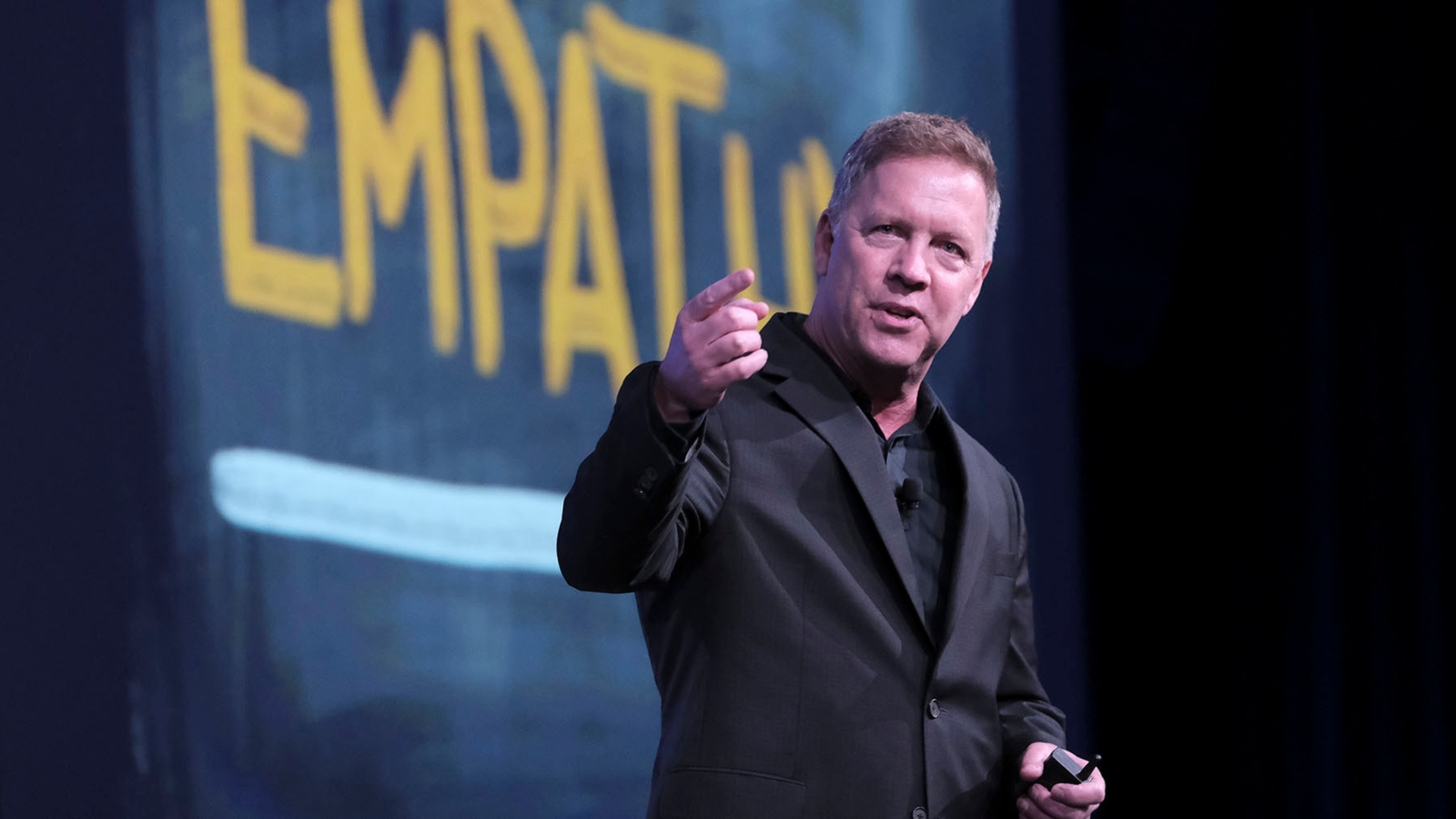
You’ve sat through your fair share of corporate keynotes. Some were decent. A few were unforgettable. And others? Let’s just say the coffee bar was the highlight. So, what actually sets a great leadership speaker apart from the rest? It’s not just their title. Or how many Fortune 500 companies they’ve rattled off in their intro reel.Because here’s the truth: a polished resume might get someone on stage, but it’s their personality, delivery, and real-world experience that leave the lasting impact. That’s where the greats rise above. Beyond Credentials: The Value of Experience A great speaker isn’t just someone who’s “studied” leadership. It’s someone who’s lived it.Scott Deming didn’t build his career on theories or recycled quotes from management books. He spent over 30 years in the trenches — growing a national advertising agency into a $30 million brand, guiding teams, and building long-term customer loyalty from the inside out. That kind of hands-on leadership gives speakers a different edge. They’re not just repeating what works — they’re sharing what failed, what stuck, and what changed the game. And audiences feel that difference. Emotional Connection: The Heart of Effective Speaking Here’s something no resume will tell you: how someone makes you feel. Leadership is emotional. It’s personal. It’s about trust, empathy, and connection — not just strategy slides. Scott is known for blending storytelling with strategy in a way that hits home. He’s helped companies like McDonald’s, 3M, and Pfizer rethink how they serve, lead, and inspire — not just because he knows business, but because he knows people. His emotional branding approach doesn’t just resonate — it sticks. Because when you connect emotionally, you inspire action. For a deeper dive into the qualities that define a motivational leadership speaker, explore this comprehensive guide. Proven Impact: Transforming Organizations A great leadership speaker doesn’t just pump up a room. They ignite real change when the event ends. That means: Actionable takeaways (not buzzwords) Clear frameworks attendees can actually apply A speaker who follows through on delivering ROI, not just applause Scott’s talks are consistently credited with improving customer satisfaction, leadership performance, and even sales outcomes — all because he brings clarity and action into the conversation. It’s not hype. It’s impact. It’s About Results, Not Just Inspiration Sure, charisma matters. So does delivery. But the best leadership speakers don’t just inspire in the moment — they create momentum that lasts well beyond the closing slide. They know how to read a room, adjust their message, and tailor every story to the audience in front of them. Whether it’s a team of frontline managers or a C-suite of seasoned executives, the best leadership speakers meet people where they are — and then move them forward. That’s what Scott Deming does best. Not because he’s the loudest voice in the room, but because he’s the most relevant. If you’re planning your next conference or corporate retreat and looking for someone to check the “leadership” box, there are hundreds of names out there. But if you’re looking for someone who’s been there — someone who inspires and equips, connects and converts, challenges and delivers? Then you don’t need another speaker with a stacked resume. You need one who knows how to lead from the front of the room — and leave a lasting impression. Trusted by industry leaders — view Scott’s full client list.
How to Choose the Right Leadership Keynote Speaker for Your Next Event
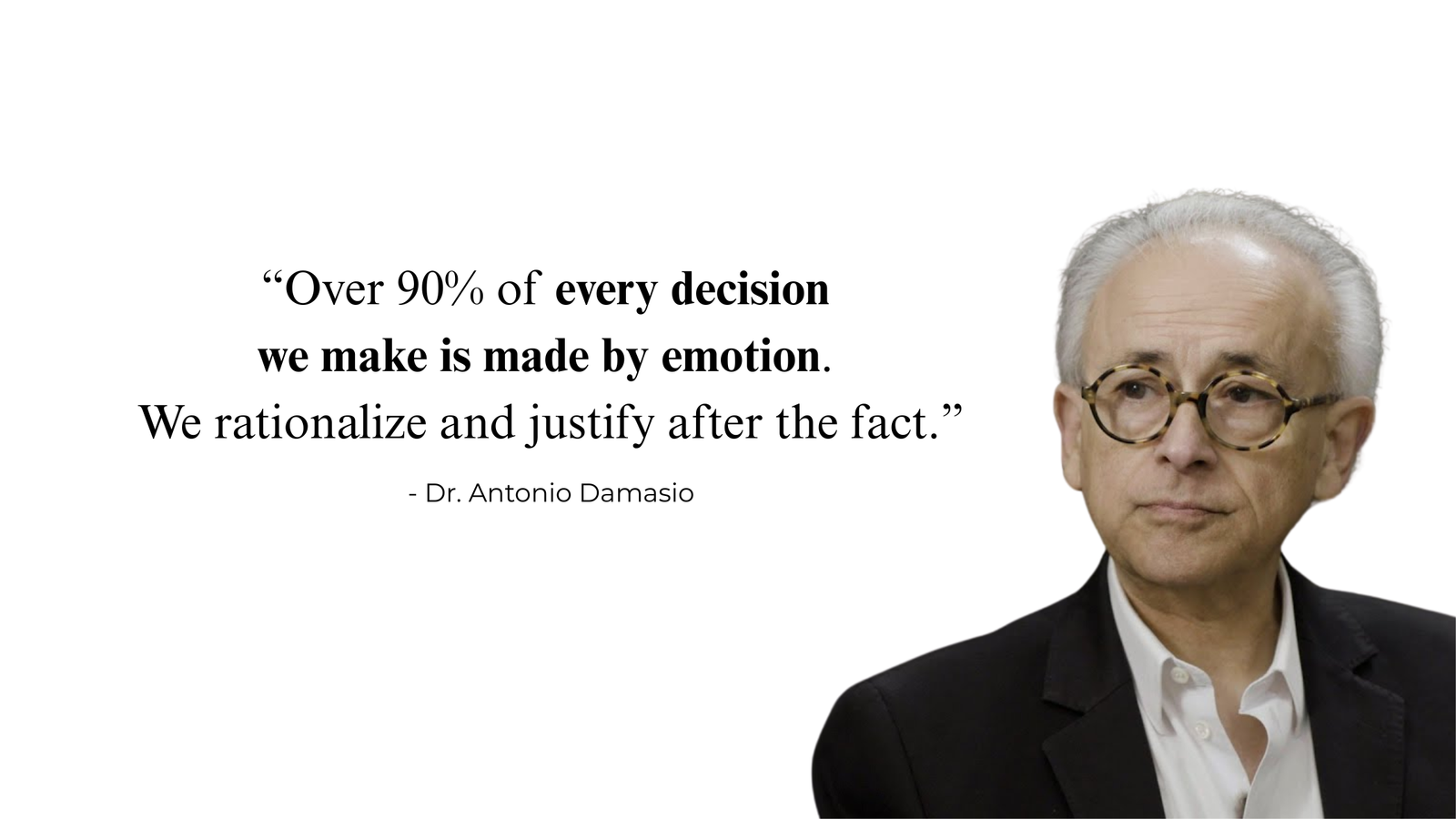
Booking a keynote speaker is easy. Booking the right leadership keynote speaker? That’s where most events miss the mark. It’s tempting to chase titles. To be impressed by buzzwords like “best-selling author” or “Fortune 500 consultant.” But the truth is, your audience doesn’t care about résumés. They care about what’s relevant. What connects. What sticks. As Scott Deming says, I didn’t invent speaking. People have been speaking since the beginning of time. I’m innovating the speaking business. And that’s exactly what you should be looking for — not just a speaker, but someone who innovates the experience for your audience. Define Your Event Goals First Before you even look at a speaker’s credentials, and Scott Deming’s are very impressive, get clear on your own goals. Are you trying to spark change? Inspire long-term loyalty? Shift culture? Because not every leadership keynote speaker fits every goal — and the ones who do usually aren’t leading with a canned pitch deck. Scott’s events focus on: Emotional branding Culture transformation Customer loyalty Leadership that starts with people, not process If your goal is behavior change, not just a standing ovation, this is where you start. Look for a Leadership Keynote Speaker with Real-World Experience Plenty of speakers talk leadership. Fewer have actually lived it. Scott built a $30M national agency from the ground up and has consulted with brands like McDonald’s, Verizon, and 3M. That means he’s led teams, built brands, weathered chaos — and knows what leadership actually looks like under pressure. “You didn’t invent windows, siding, or speaking,” Scott says. “I’m not asking you to create something new — I’m asking you to innovate how you deliver.”Speakers with lived experience won’t waste time with theory. They’ll show your team what works in the real world. Prioritize Emotional Connection Over Credentials According to Dr. Antonio Damasio, whom Scott quotes during his keynotes: “Over 90% of every decision we make is made by emotion. We rationalize and justify after the fact.” So if your audience doesn’t feel the speaker, they won’t remember them. Period. A leadership keynote speaker who connects emotionally will always outperform one who simply recites leadership principles. Scott doesn’t just teach leadership. He uses emotional storytelling — personal, real-life moments that build trust and relatability. That’s the difference between a speaker who sounds smart and one who actually shifts perspective. Just like his kitchen remodel story (where he bought from the guy who talked about his family, not his cabinets), Scott shows that connection always beats a pitch. Demand Actionable Takeaways Inspiration is great. But your attendees need something to do the next day. Scott’s keynotes leave people with tools they can immediately use: how to create a culture of meaning and purpose, how to build emotional brand loyalty, and how to lead in a way that makes people want to follow. “An invention only becomes innovation when it changes someone’s life,” he says. “So ask yourself — is your why bigger than the what?” The best leadership keynote speakers don’t just entertain. They equip. Think Beyond the Stage One great talk isn’t enough anymore. Look for a leadership keynote speaker who reinforces your message after the applause — with books, training, or practical content your team can carry forward. Scott’s approach ties back to brand strategy, emotional branding, and culture — giving companies a framework they can adopt and evolve. He also offers consulting, repeat sessions, and deep-dive content that helps teams go from understanding to application. Choosing a keynote speaker isn’t just about who looks impressive on paper. It’s about finding someone who understands your people, your mission, and your goals — and knows how to bridge all three in 60 minutes or less. If you’re planning your next big event and want a leadership keynote speaker who delivers real impact — contact Scott Deming here.

Why Hiring a Customer Service Speaker Is the Best Investment You’ll Make This Year
Some companies spend thousands trying to fix the wrong problem. They revamp branding, redo websites, run ads, or update their technology. And when customer loyalty still doesn’t improve, they look around confused. The truth? It usually comes down to this: how your people treat your people. Customer service is the front line of your brand — and yet, it’s often the most overlooked. Not just in training, but in culture, in mindset, and in how people inside the organization treat one another long before a customer even enters the picture. “You’re not in the pharmacy business. You’re in the people business,” Scott Deming tells teams. “And if your internal team isn’t thriving, your external service doesn’t stand a chance.” That’s why hiring a Customer Service Speaker is not just a feel-good line item. It’s a strategic investment in your brand’s reputation, retention, and revenue. Customer Service Speakers and Keynote Speakers on Customer Service Redefine “Customer” Most teams define “customer” the same way — someone who buys your product, uses your service, and leaves a review. Scott challenges that definition. “When I say ‘customer,’ I don’t just mean the people outside your organization. I mean your coworkers. Your internal customers. The people you rely on every day to get your job done.” The way your team interacts internally is a direct reflection of how they’ll treat paying customers. If there’s tension, blame-shifting, or lack of respect inside, it’s only a matter of time before it bleeds outside. Scott’s keynotes introduce the concept of internal customer service — the principle that your team should treat each other with the same empathy, care, and professionalism you’d expect in a five-star customer experience. When people feel valued, they’re more engaged. When they’re engaged, they go the extra mile. That mile turns into better service, better loyalty, and better business. Customer Service Keynote Speakers Share Stories That Drive Change Scott doesn’t just talk strategy. He tells stories that hit home. One of his most requested examples comes from a kitchen remodel. “My wife dragged me to showroom after showroom. And every single salesperson said the same thing: What’s your budget? What color cabinets do you want? It was all the same.” Then came one young man who didn’t ask about cabinets. He asked about their life. Their kids. Whether they entertained. The vibe they wanted to create in their home. “That was it,” Scott said. “We didn’t care what he sold. We were going to buy it from him. Because he didn’t just sell cabinets. He sold us a better home. A better experience.” That’s what great customer service looks like. It’s not transactional. It’s emotional. Leadership Speakers and Speakers on Customer Service Highlight Emotional Branding In Scott’s presentations, one truth always gets heads nodding: over 90% of decisions are made emotionally and justified logically after the fact. It’s not about whether your product is objectively better. It’s about how your customers feel in the process. That’s where a Customer Service Speaker like Scott stands out. He teaches teams to lead with emotional intelligence, to take everyday interactions — emails, calls, conversations — and turn them into brand-building moments. Competent isn’t enough. Memorable is what keeps customers loyal. For context, studies show that over 90% of decisions are emotional. Keynote Speakers on Customer Service Focus on Culture First It’s easy to think customer service training is about teaching people to say “please” and “thank you.” But that’s surface-level. The real work begins behind the scenes. In one of Scott’s posts, he quoted Richard Branson: “Clients do not come first. Employees come first. If you take care of your employees, they will take care of the clients.” When internal teams feel supported, respected, and part of something bigger, they don’t just meet expectations. They exceed them. They feel ownership. They protect the brand. And they do it without being asked. Scott trains teams to build that kind of culture — where collaboration is proactive, gratitude is expressed often, and feedback is delivered with empathy. He doesn’t offer vague hype. He offers systems for long-term change that begin with how people treat each other on a Tuesday afternoon, not just how they perform on game day. Why Hiring a Customer Service Speaker or Speakers on Customer Service Pays Off There’s ROI tied to this work. Gallup research shows that companies with high employee engagement report 21% higher profitability and 10% better customer ratings. Poor service, on the other hand, is one of the top three reasons customers leave a brand — and it’s almost always preventable. Hiring a strong [Customer Service Keynote Speaker] is often the reset a team needs. Not because they lack talent, but because they’ve lost clarity on how much their daily interactions matter. Scott gives them the mindset, the language, and the emotional framework to reignite that connection — with each other and with customers. “A powerful, emotional, one-of-a-kind brand experience will turn a typical customer into a raving lunatic loyal evangelist for life,” he says. That kind of loyalty starts at the employee level. If you’re planning your next company event, annual conference, or customer experience initiative, don’t overlook the power of service. It’s the one investment that pays dividends across every department. Scott Deming doesn’t just speak on customer service — he speaks to the heart of it. To the culture. To the daily choices. And to the ripple effect that happens when your team feels empowered to serve not just the customer, but each other. That’s not just training. That’s transformation. Explore Scott’s Customer Service Speaker programs and discover how they can transform your team from the inside out.

Leadership or Lip Service? What Sets Great Keynote Speakers Apart
You can feel it the moment they take the stage. Some speakers rattle off stats and titles. Others drop one buzzword after another, chasing applause with surface-level energy. But the ones who actually shift the room — and the culture beyond it — they’re different. They’ve lived it. They’ve led it. And they speak from a place most people never get to. When organizations look for keynote speakers on leadership, they’re often hoping for inspiration. But what they really need is impact. They need someone who can spark lasting behavior change — the kind that transforms managers into leaders and coworkers into collaborative teams. Scott Deming understands this better than most. Because for him, leadership isn’t theory — it’s a career built on action, experience, and emotional connection. Leadership Isn’t a Title — It’s a Transfer of Trust One of the biggest myths in leadership is that authority equals influence. The person with the title naturally earns the team’s respect. But that’s rarely how it works. “Leadership is about building trust and drawing out passion — not managing productivity,” Scott says. And that message hits especially hard in rooms where teams are burnt out, disconnected, or just… going through the motions. Scott doesn’t come in with abstract frameworks or one-size-fits-all theories. He leads with what works in the real world — the kind of leadership that starts on the inside and radiates out through every interaction, project, and customer relationship. His keynotes focus on leadership as service, not control. They challenge attendees to stop managing tasks and start growing people. Because real leaders don’t chase compliance — they inspire commitment. Forget the Standing Ovation. Focus on the Shift. Anyone can deliver a good talk. But the best keynote speakers o leadership don’t just energize a crowd — they rewire how people see themselves and their role inside the organization. That’s Scott’s goal every time he takes the stage. It’s not just about “rah-rah” hype or a polished message. It’s about getting people to pause mid-keynote and think, “Whoa… I’ve never looked at leadership that way before.” He’s not just speaking at people. He’s speaking to them — with stories that connect, challenges that resonate, and takeaways that get scribbled in notebooks and revisited months later. “Over 90% of every decision we make is emotional,” he says.“And we justify it with logic after the fact.” That’s why his message works. Because it doesn’t just make sense — it feels right. Leadership That Starts Behind the Curtain Scott’s approach is built on one powerful truth: You can’t create exceptional experiences on the outside without leadership that works on the inside. In fact, he challenges teams to redefine the very concept of “customer.” “When I say ‘customer,’ I don’t just mean the person buying your product. I mean the person sitting three desks down from you.” That internal culture — how your leaders communicate, support, and invest in their people — becomes the filter for everything your customers experience. The best leaders don’t micromanage or delegate blindly. They develop people. They align the internal culture with the brand promise. They turn teams into ecosystems that thrive on clarity, consistency, and care. Scott calls this internal customer service, and it’s one of the most overlooked (but mission-critical) aspects of modern leadership. The Ripple Effect of Emotional Leadership Strong leadership has nothing to do with charisma and everything to do with emotional clarity. When leaders know how to read a room, listen without defensiveness, and lead with transparency, the impact isn’t just internal. It ripples outward — improving collaboration, reducing burnout, and increasing customer retention. And it’s not theoretical. As a leadership speaker, Scott has led these transformations in Fortune 500 companies, family-owned businesses, and everything in between. From boardrooms to breakout sessions, he teaches leaders how to blend emotional intelligence with business strategy — because one without the other doesn’t stick. “You can’t build emotional brand loyalty on the outside if you’re ignoring emotional leadership on the inside.” That’s not a tagline. That’s a warning. What to Look for in a Leadership Keynote Speaker Let’s cut to it. If you’re searching for keynote speakers on leadership, here’s what actually matters: They’ve led something. Not just studied it. They connect beyond the podium — they connect to your people. They offer takeaways that stick, not just stories that entertain. They understand your culture and how to shift it — not just applaud it. They tie leadership to real outcomes: retention, morale, productivity, and brand loyalty. And if they can’t do that? They’re not a speaker. They’re a placeholder. If you want more than a speech — if you want your team to walk away thinking differently, feeling differently, and acting differently — you need someone who’s been in the trenches. Scott Deming doesn’t just talk about leadership. He’s lived it, led it, and built it from the inside out. Don’t just take our word for it — watch Scott Deming in action and see how real leadership sounds on stage. Learn more about Scott’s leadership keynote programs — and discover what happens when you bring emotional intelligence and business strategy to the same stage.